Anxiety · Depression · Burnout · Addictions · Sleep
When your mind won't stop and your body is exhausted
There's a particular kind of tired that isn't fixed by sleep — the kind that comes from carrying too much anxiety, too much stress, too much sadness for too long. Your body knows it. Your jaw is tight. Your shoulders are up around your ears. You wake at 3am with thoughts you can't silence. You're functioning, but only just.
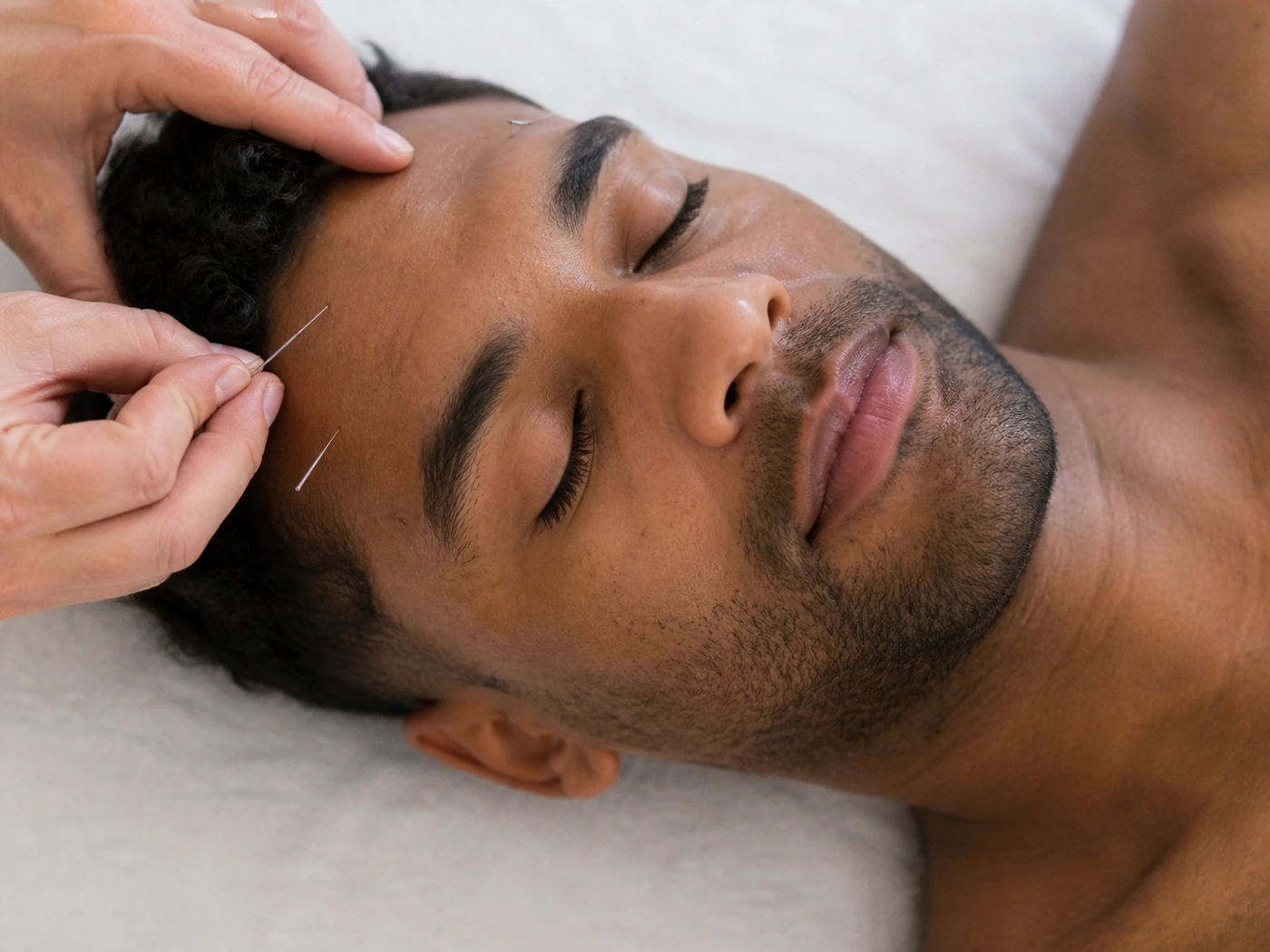
Acupuncture works directly with the nervous system. It helps bring the body out of a state of chronic stress response — that low-level fight-or-flight that becomes the background of modern life — and supports a deeper shift toward regulation, rest, and restoration.
Shaul brings particular depth to this area of his work. He is not only an acupuncturist — he is someone who can genuinely hold space for emotional pain, for complexity, for the kind of suffering that doesn't always have a simple name. Many people find the sessions themselves deeply settling — a rare hour of stillness in a life that feels relentless.
Book for Stress & Anxiety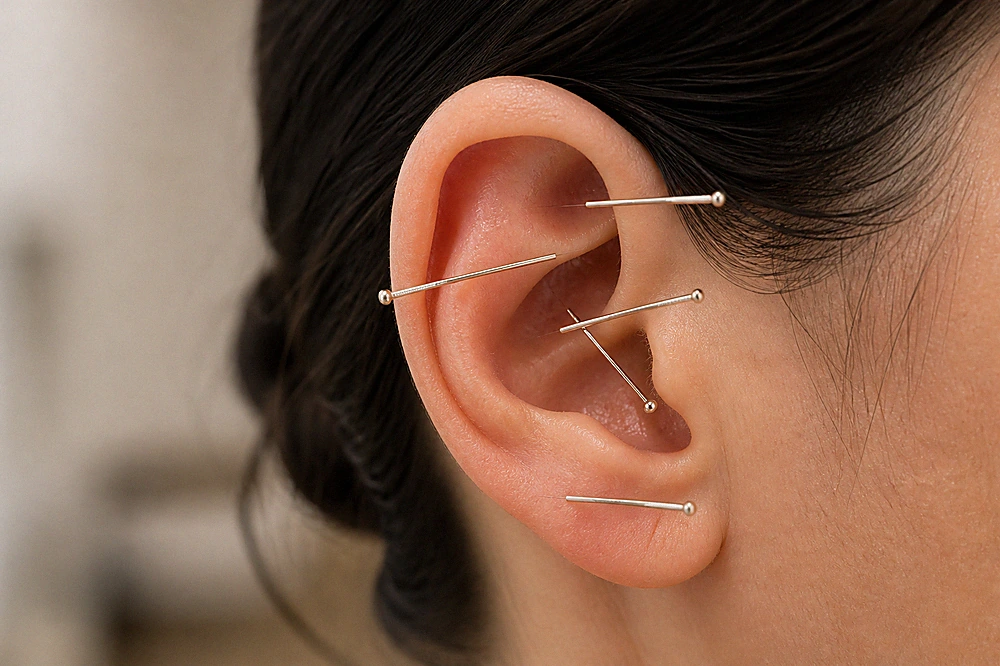
What acupuncture may support
- Anxiety — generalised, social, or situational
- Depression and low mood
- Stress and chronic overwhelm
- Burnout — physical and emotional exhaustion
- Sleep difficulties — falling asleep, staying asleep, waking early
- Panic attacks and nervous system dysregulation
- Addictions — smoking, alcohol, substance use
- Grief, trauma responses and emotional overwhelm
Acupuncture is not a replacement for therapy or psychiatric care — but for many people it is a powerful complement, helping the body settle in a way that talk alone sometimes cannot reach.
A note on addictions
Auricular (ear) acupuncture has a long tradition of use in addiction support. The NADA protocol — a specific set of ear points — has been used in clinics worldwide to support people reducing or stopping smoking, alcohol, and other substances. It works gently with the nervous system to reduce cravings, ease withdrawal, and support emotional regulation during a challenging process.
This is offered as a supportive complement to other forms of addiction treatment, not a standalone cure. But for many people it makes the process more manageable.
"I've used Shaul's accupuncture services for 10+ years and Shaul has always been able to help my chronic conditions from anxiety, frozen shoulder, migraines to general pain relief. I highly recommend his gentle but very effective health services.."
— Sumaya Adams